Double helices
What is a double helix?
A double helix consists of two identical cylindrical helices twisting around each other.- Both helices share the same cylinder and have the same handedness (both left-handed or both right-handed).
- One helix can be obtained by rotating the other around the cylinder’s axis. They also partially overlap when translated along the cylinder’s axis.
- In the most common cases, the two helices are offset by half a turn (\(180^\circ\)), corresponding to a translation by half the pitch.
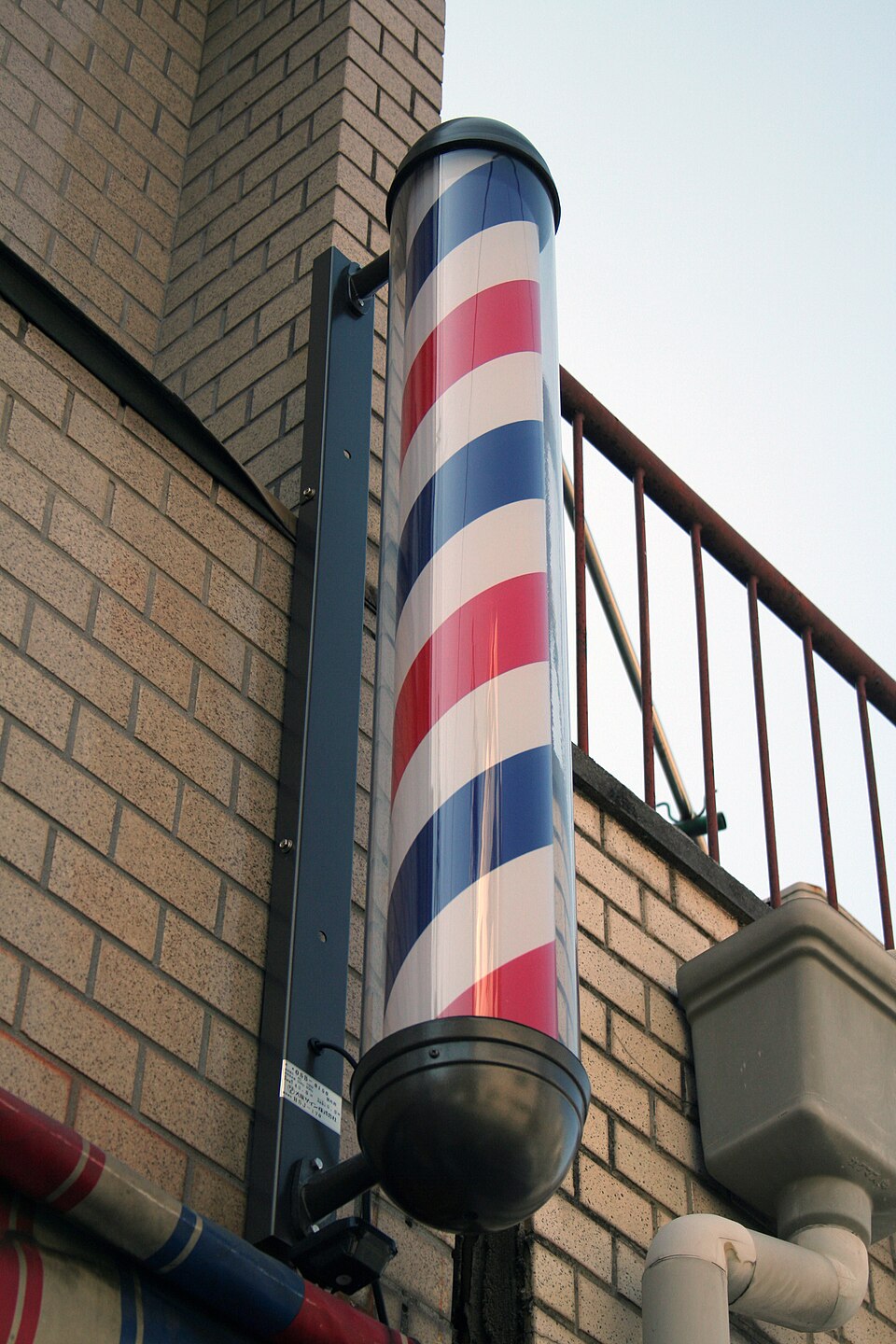
Where can we find double helices?
Double helices appear in nature, engineering, and everyday objects:- The most common form of DNA molecule (B-DNA) has the shape of a double helix. Its two right-handed helices are offset by \(180^\circ\) and are quite stretched (namely, the slope is large): the cylinder radius is around 1 nanometer while the pitch is around 3.4 nanometers.
Picture reference, CC-BY-SA-3.0, cropped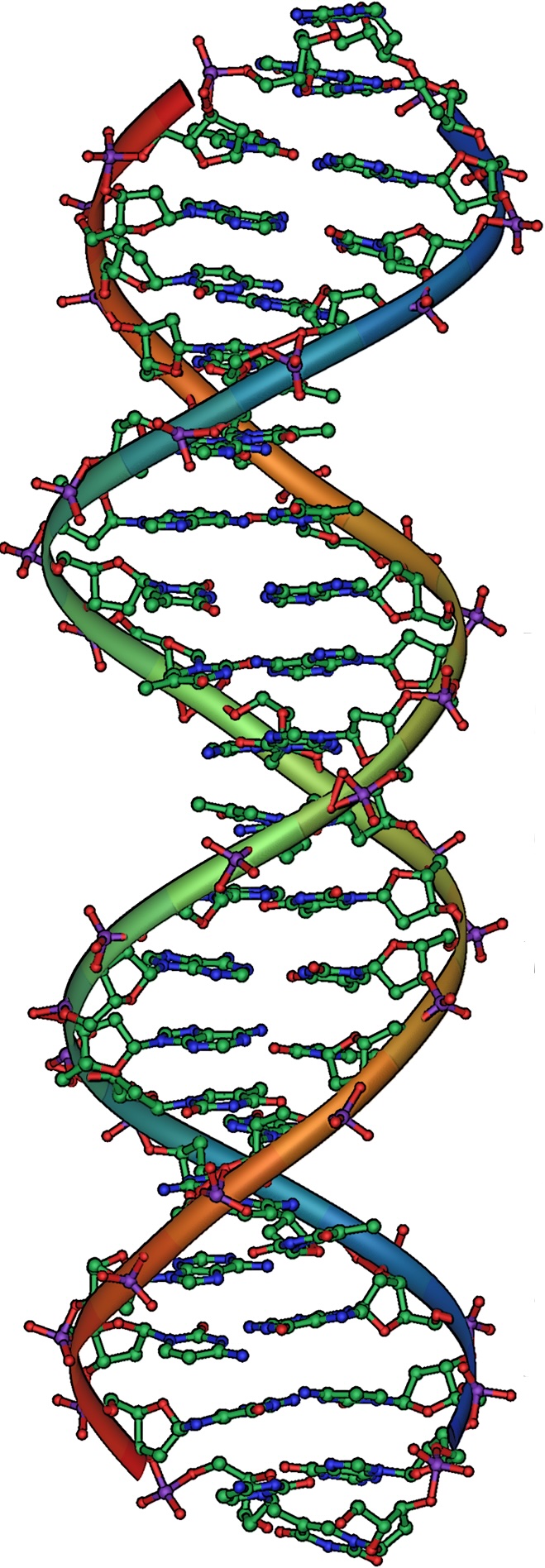
- Double helical staircases or ramps often use one helix for ascending and the other for descending. These designs are space-efficient compared to two separate staircases, because the two helices occupy the same cylindrical space.
Picture reference, CC-BY-SA-1.0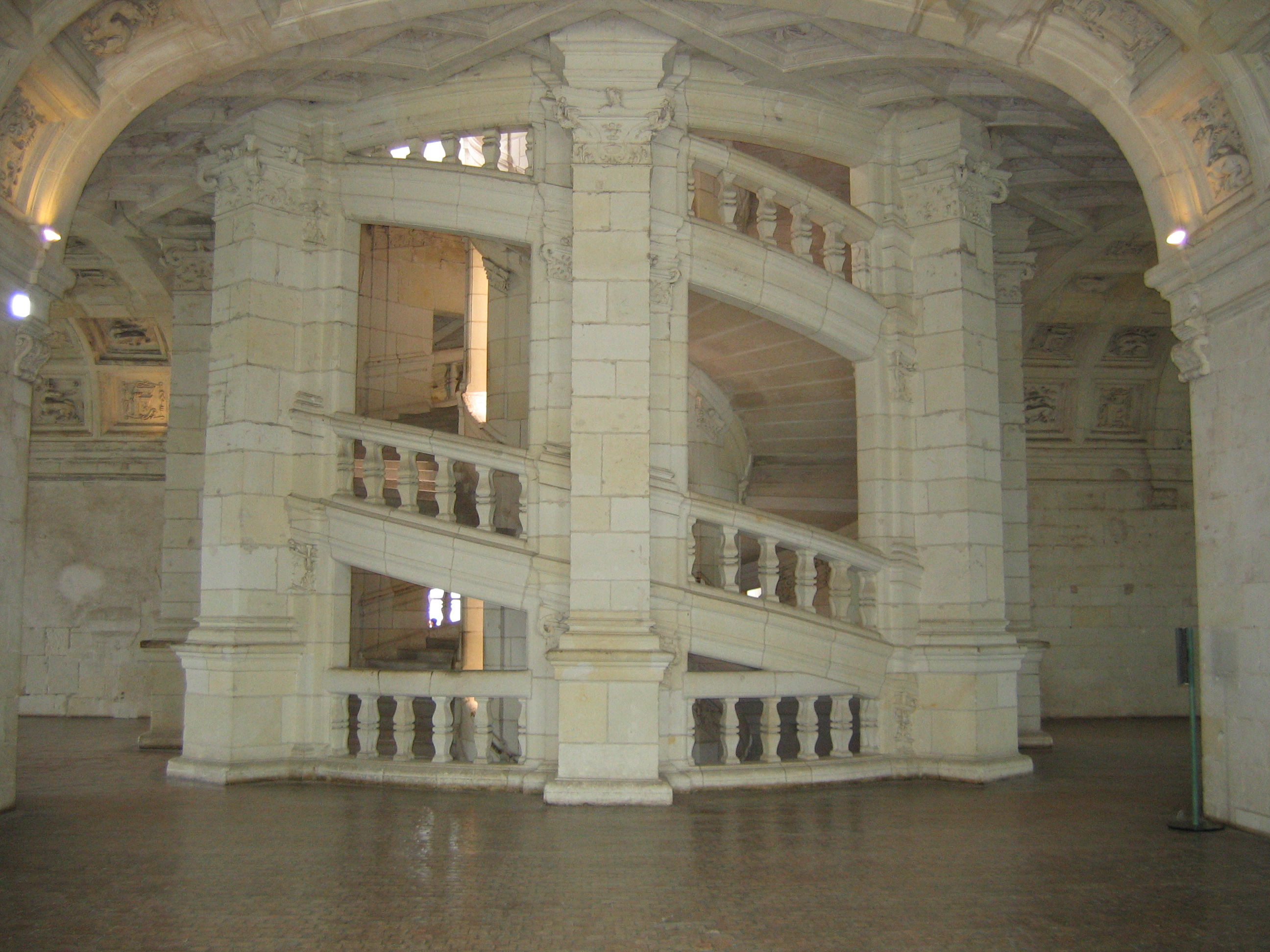
- A bolt and nut contain matching helical threads. These threads interact so that rotational motion is converted into linear motion.
Picture reference, CC-BY-SA-3.0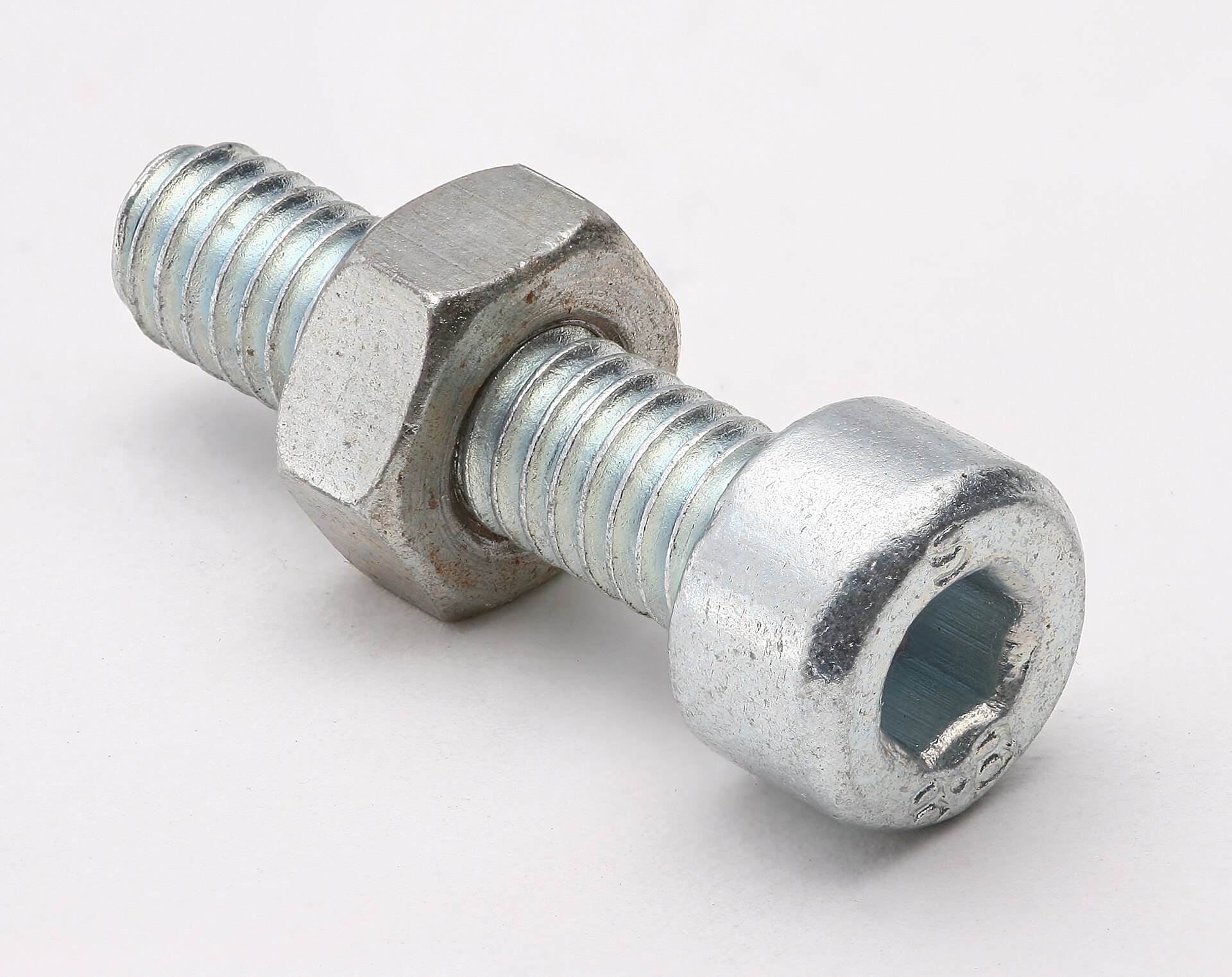

Triple helices and more
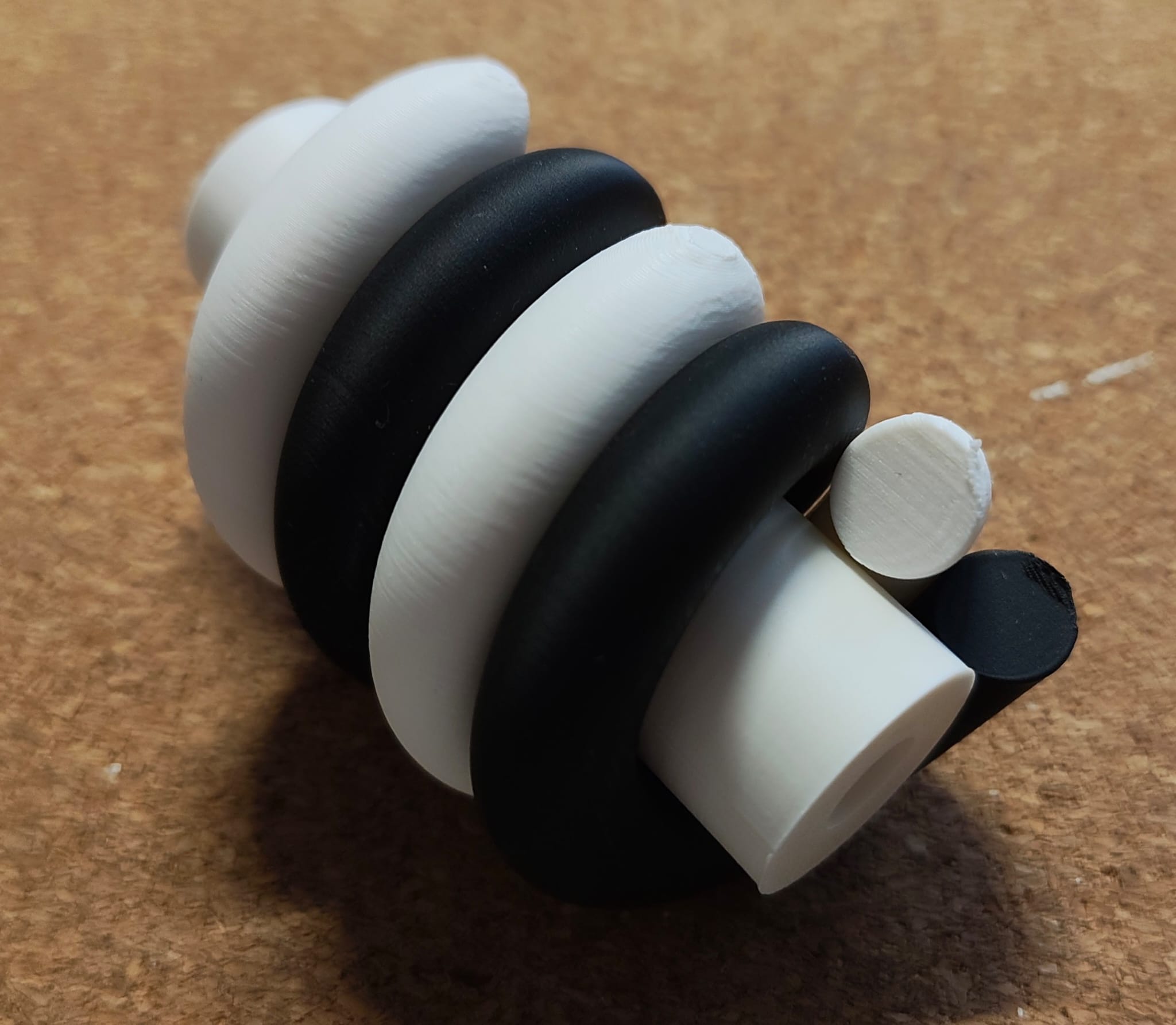
It is possible to intertwine three or more identical helices around the same cylinder.
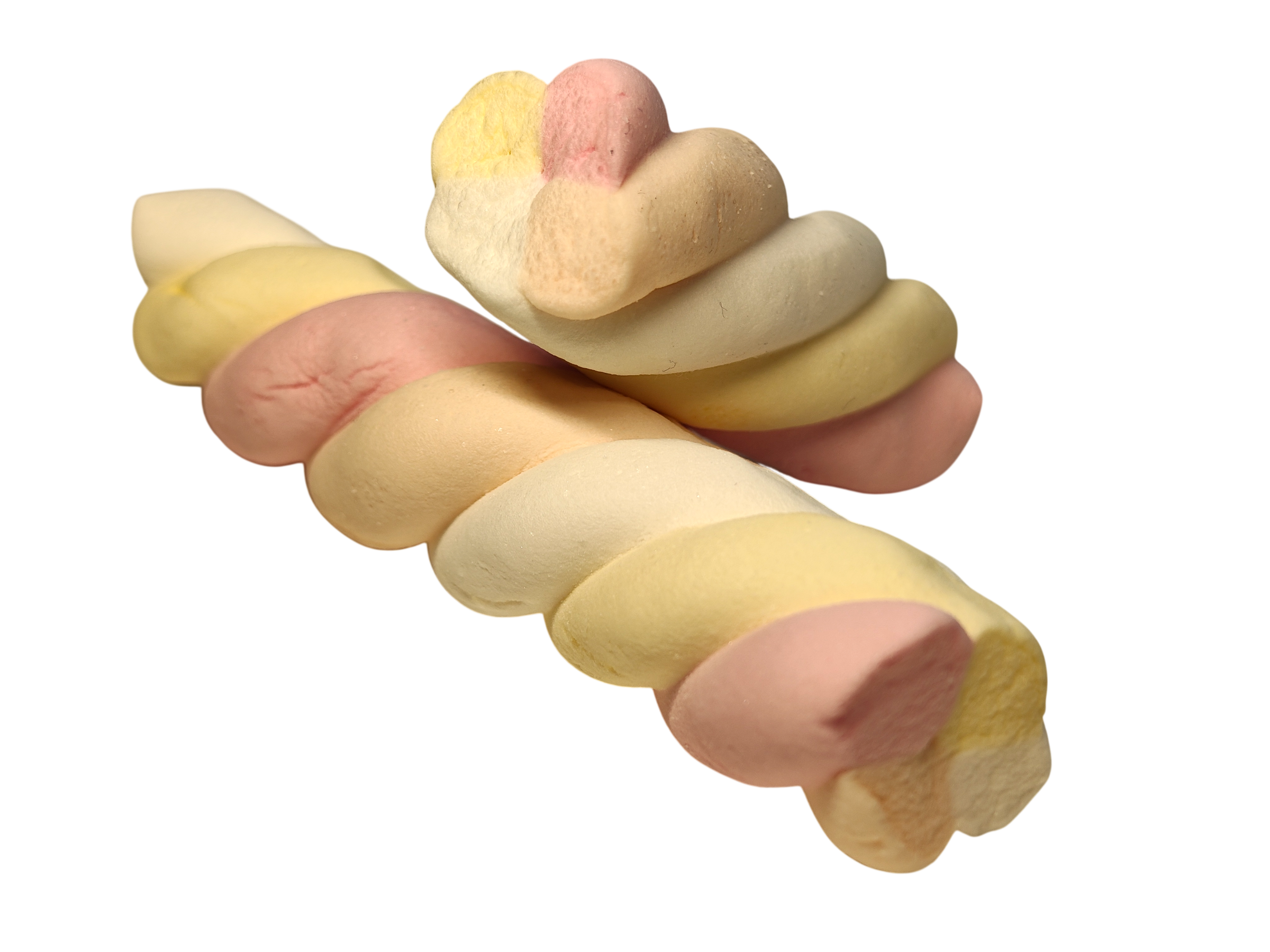
For example, some staircases consist of three interwined helical staircases, while the coloured strands of a twisted marshmallow form four intertwined helices.
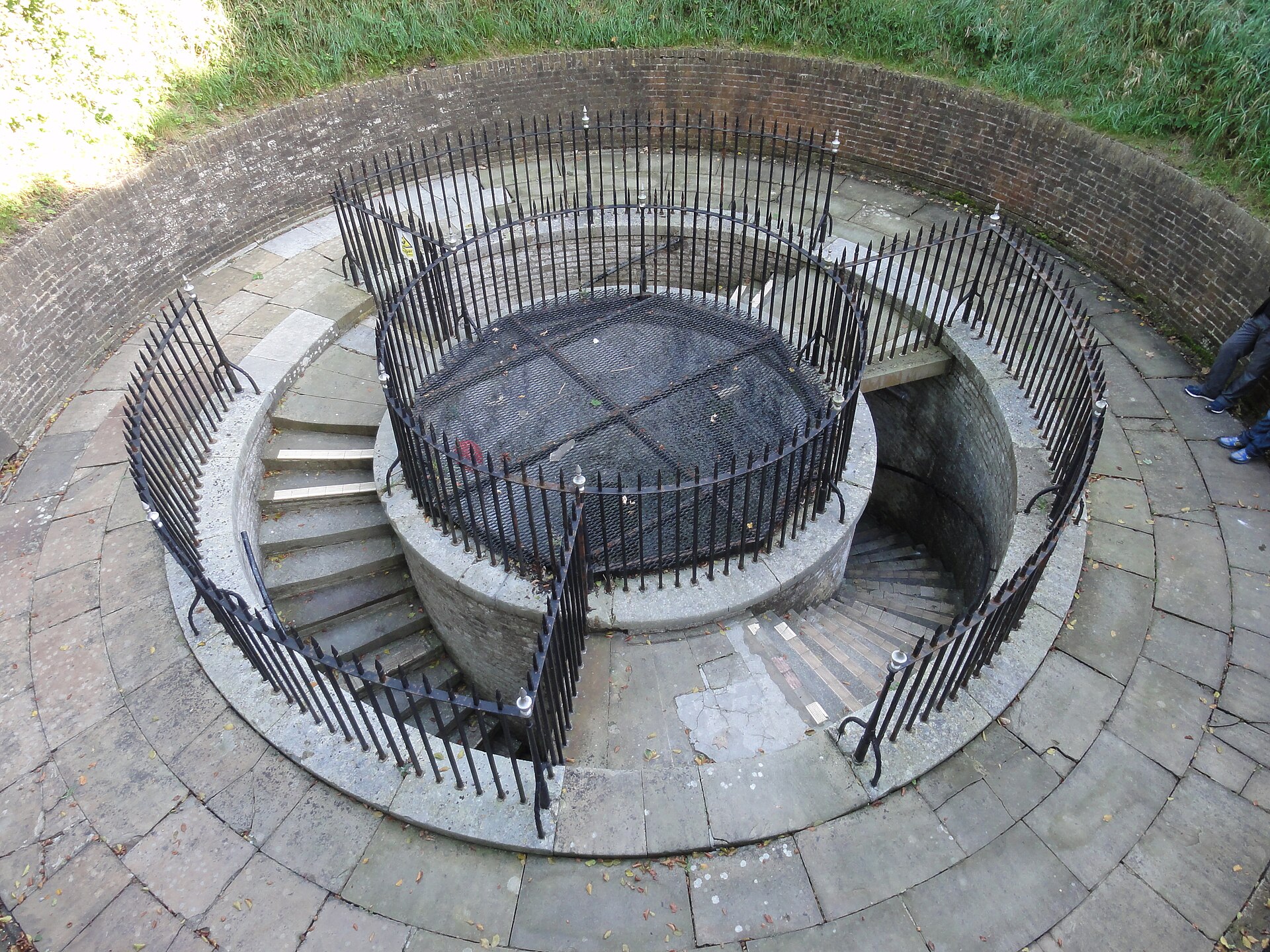
Picture reference, CC-BY-SA-2.0